Where TIG Welding Fits in Aerospace and Defense Programs
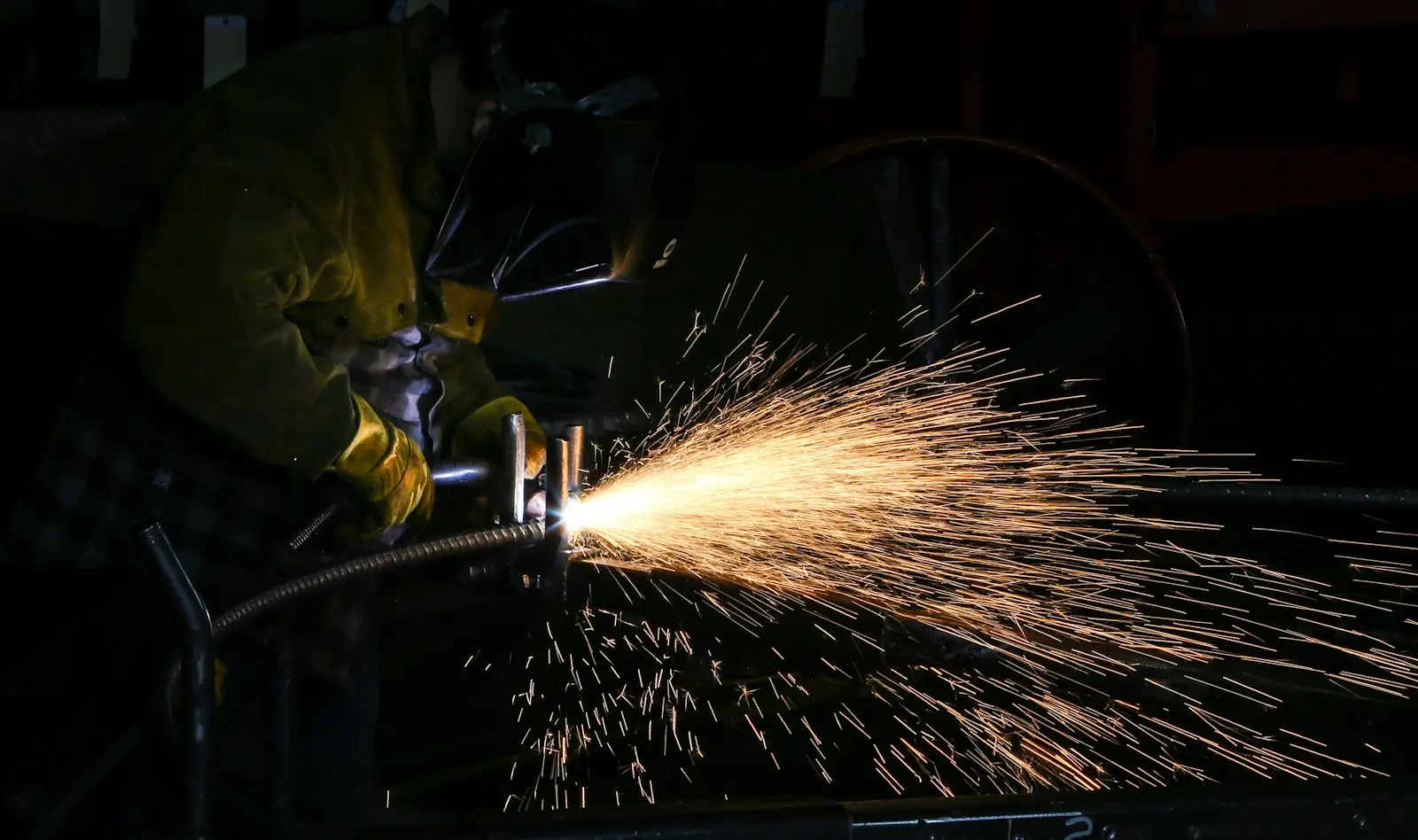
TIG welding is the go-to process for thin, high-value aerospace parts because the welder controls heat and filler separately. These are the program areas where buyers most often need it.
Commercial Aviation
Ducting, exhaust parts, brackets, and clamps for new aircraft and for repair and overhaul work. Most are welded to AWS D17.1 or the airframe maker's own spec.
Defense Air and Ground Systems
Enclosures, mounts, hydraulic and fuel tube assemblies, and structural weldments for military aircraft, vehicles, and weapons systems.
Space and Launch
Propellant and pressurant lines, brackets, and test stand hardware, often in stainless, titanium, or nickel alloys with heavy inspection.
Ground Support Equipment and Tooling
Stands, carts, fixtures, and test rigs. These often follow structural welding codes or the customer's spec instead of flight hardware rules.
Compliance Frameworks Aerospace Buyers Audit
Supplier quality teams check these frameworks before they add a welding shop to the approved supplier list. Full details are on our certifications and compliance page.
AWS D17.1 Fusion Welding
The core spec for aerospace welds. It sets welder and procedure qualification and Class A, B, and C acceptance limits. Read our AWS D17.1 procurement guide.
AS9100 Quality Management
ISO 9001 plus aerospace rules for risk, configuration control, counterfeit parts, and first article inspection per AS9102.
NADCAP Welding Accreditation
Prime contractors often require welding and NDT to be NADCAP accredited, audited to AC7110 checklists.
ITAR and DFARS
ITAR (22 CFR Parts 120 to 130) limits defense data to U.S. persons. DFARS rules may require domestic specialty metals.
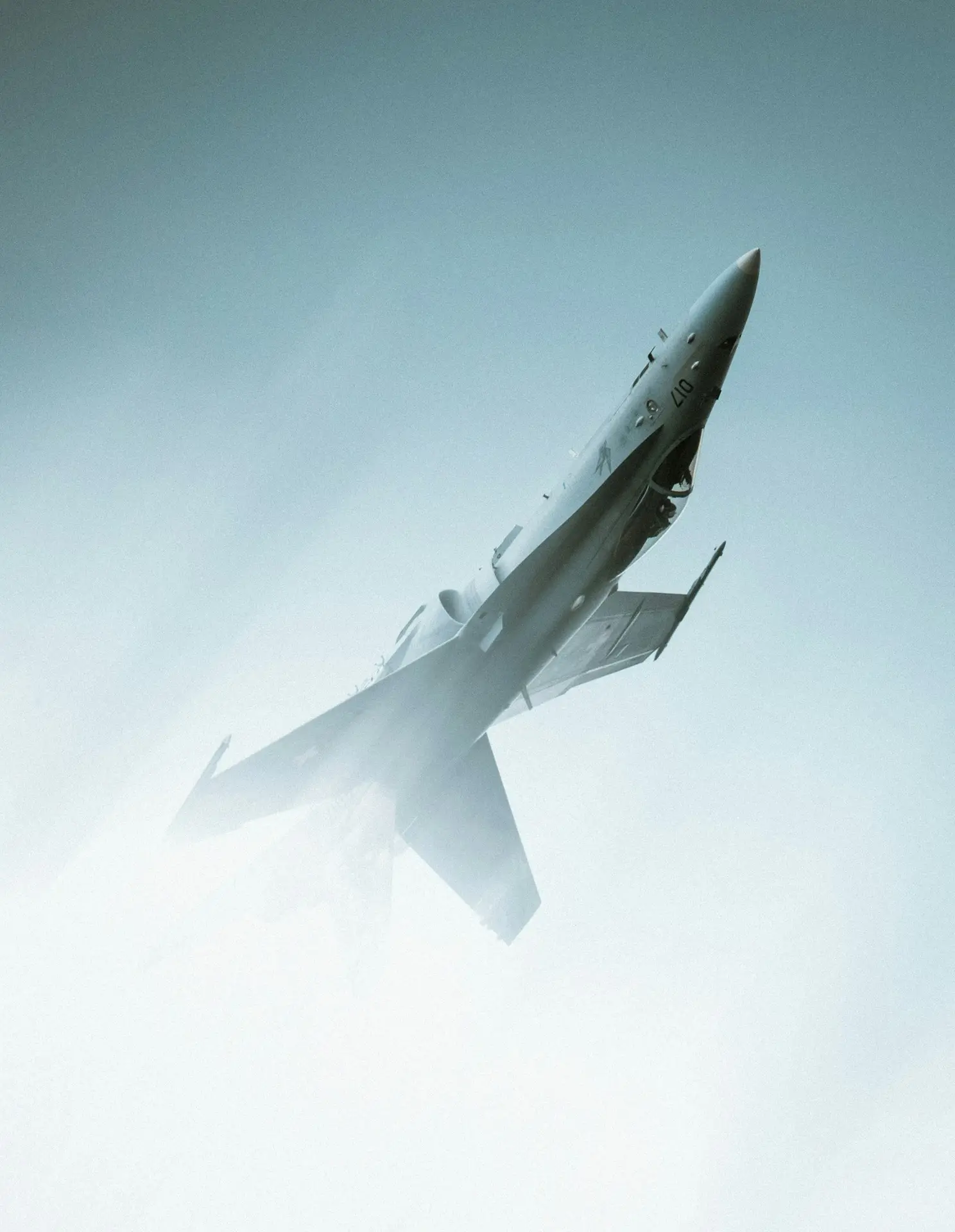 Defense programs add contract flow-downs, export controls, and specialty metals rules on top of the weld spec.
Aerospace and ITAR Compliant Welds
Our aerospace TIG welding service covers the alloys used in airframes, engines, and defense systems. Each alloy has its own filler and heat rules.
Inconel 625 and 718
Exhaust, duct, and engine parts. Welded with ERNiCrMo-3 or ERNiFeCr-2, often followed by heat treatment.
Titanium 6Al-4V
Light, strong, and reactive when hot. Welded under argon trailing shields or in a purge chamber, then checked for color.
17-4 PH, 321, and 347 Stainless
Brackets, ducts, and housings. 321 is welded with ER347 filler. Learn why low heat matters in carbide precipitation in stainless welds.
Thin-Wall Ducting and Tube
Precise heat control keeps thin parts in tolerance. See our precision stainless TIG service and warpage prevention guide.
Inspection and Traceability for Flight Hardware
Each weld needs a paper trail from mill to final part. Here is what we track on aerospace jobs.
- Base metal MTRs and filler metal heat or lot numbers
- WPS and welder qualification records under AWS D17.1
- Visual inspection at set magnification for each weld class
- Certificate of conformance tied to part serial or lot
 Space and launch hardware uses many of the same alloys, weld classes, and inspection methods as aircraft parts.
What Defense Programs Add to a Weld Job
A defense part may use the same weld as a commercial one, but the contract around it carries more rules. These are the ones that change how a shop quotes and runs the job.
Contract Flow-Downs
Prime contractors pass FAR and DFARS clauses and their own quality clauses down to every supplier. Read the purchase order terms before the drawing.
Controlled Technical Data
Drawings may be ITAR or EAR controlled, or marked as Controlled Unclassified Information. DFARS 252.204-7012 requires suppliers who hold covered defense information to protect it under NIST SP 800-171.
Specialty Metals
DFARS 252.225-7009 limits certain steels, titanium, and nickel alloys to metal melted or produced in the United States or a qualifying country. Mill certs must show where the metal was melted.
First Article Inspection
Many programs require a first article inspection to AS9102 before production, with every drawing note and dimension checked and recorded.
How to Send an Aerospace or Defense RFQ
A complete request gets a faster, firmer quote. Include these items, and tell us before you send anything if the drawing is export controlled. Read AWS D17.1 aerospace welding standards for background on weld classes.
- Drawing and revision, with the weld spec called out, such as AWS D17.1 Class A, B, or C or a prime contractor spec
- Material, form, and certification rules, including DFARS specialty metals if they apply
- Required inspection, such as visual, penetrant, or radiography, and who performs it
- First article inspection needs and the report format
- Quantity, delivery schedule, and any source inspection
- Export control status of the drawing and any CUI markings
How Buyers Qualify a New Aerospace Welding Supplier
Adding a welding source to an approved supplier list takes a few steps. Knowing them up front helps you plan the schedule for a new part or a second source.
Quality System Review
Buyers check for AS9100 or ISO 9001 and review the quality manual, calibration, and nonconforming material process.
Special Process Approval
Welding is a special process. Primes may require NADCAP accreditation or their own process approval before a shop can weld flight hardware.
Procedure and Welder Records
Qualified weld procedures and current welder certifications for each material and joint type in the job.
First Article and Ongoing Scorecards
A passed first article opens the door. On-time delivery and quality scores keep the shop on the list.
Serving the DFW and Southern California Aerospace Corridors
Dallas-Fort Worth is home to large airframe, rotorcraft, and defense electronics plants and the suppliers around them. Our headquarters in Dallas puts us close to that base, including Fort Worth and the Alliance area.
We also serve aerospace buyers in Los Angeles and Southern California.
Frequently Asked Questions
Do I need a NADCAP-accredited welder for my aerospace part?
Many primes require it for flight hardware, but not all. Check the purchase order quality clauses and your customer's supplier manual. If NADCAP is required, ask the supplier for its current accreditation certificate.
How does ITAR affect sending drawings to a welding shop?
ITAR-controlled drawings can only be shared with U.S. persons at a shop that is set up to protect them. Tell the supplier the data is controlled before you send it.
What is the difference between AS9100 and ISO 9001?
AS9100 includes all of ISO 9001 plus added aerospace rules. These cover product safety, counterfeit part prevention, configuration control, and first article inspection. Most aerospace primes require AS9100 from direct suppliers.
Which weld class applies to my part under AWS D17.1?
Your engineering drawing should state Class A, B, or C. Class A is for welds where failure could cause loss of the vehicle. If the class is missing, get it from the design authority before ordering.
Can you support DFARS specialty metals requirements?
We trace every heat of metal to its MTR so origin can be checked against your contract.
What is a first article inspection in aerospace?
A first article inspection, defined by AS9102, is a full, documented check that the first production part meets every drawing and spec requirement. It is repeated after a change in design, process, or location, or after a two-year break in production.
Can a commercial welding shop work on defense parts?
Often, yes. Many defense parts are not export controlled and can be made by any qualified shop that meets the contract flow-downs. Shops that manufacture ITAR-controlled defense articles generally must register with the State Department's Directorate of Defense Trade Controls.
Do ground support equipment welds need AWS D17.1?
Usually not. Ground support equipment and tooling are often welded to structural codes such as AWS D1.1 for steel, D1.2 for aluminum, or D1.6 for stainless, or to the customer's own spec. Check the drawing notes.