Where Sanitary Tube Welding Is Used
Any line that carries food, drink, medicine, or a product that touches people needs welds that clean as well as the tube does. These are the most common uses.
Dairy and Beverage Lines
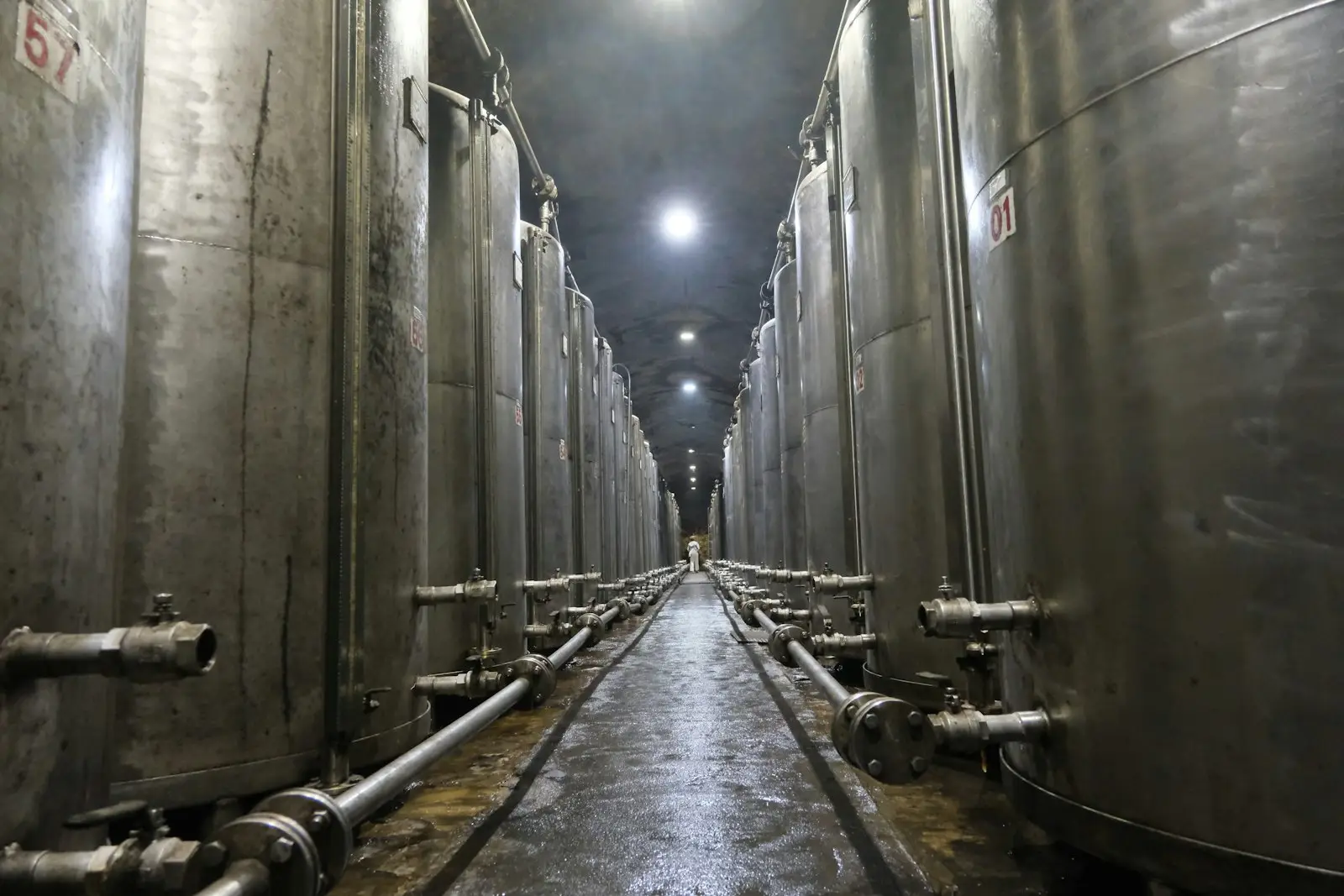
Milk, juice, beer, and soft drink lines built to 3-A guidance. See food and beverage processing.
Pharmaceutical and Biotech Systems
Process and purified water lines built to ASME BPE, where weld records and surface finish are reviewed closely.
Clean-in-Place and Utility Lines
CIP supply and return loops, hot water, and steam condensate lines that see hot caustic and acid cleaning.
Brewing and Fermentation
Transfer panels, manifolds, and tank connections where hidden crevices would trap product and bacteria.
Sanitary Food-Grade Fabrication
A sanitary weld must be as smooth as the tube around it. Any pit, crack, or lip inside the line can trap product and grow bacteria. Clean-in-place (CIP) systems cannot reach what the weld hides.
That is why sanitary welds are autogenous or near-autogenous butt welds with full penetration and a flush inner bead. Read the full rules in FDA and 3-A sanitary standards for food-grade TIG welding.
304L and 316L Sanitary Tube
Most dairy and food lines use 304L. 316L is used where salt, acids, or chlorinated cleaners attack the metal. Both are low-carbon grades that resist sensitization at the weld.
Square Butt Joints and Fit-Up
Tube ends are faced square and deburred. Gaps and mismatch are kept tight so the bead stays flush inside.
Ferrules, Tees, and Spools
We weld clamp ferrules, tees, reducers, and full spools to your isometric drawing.
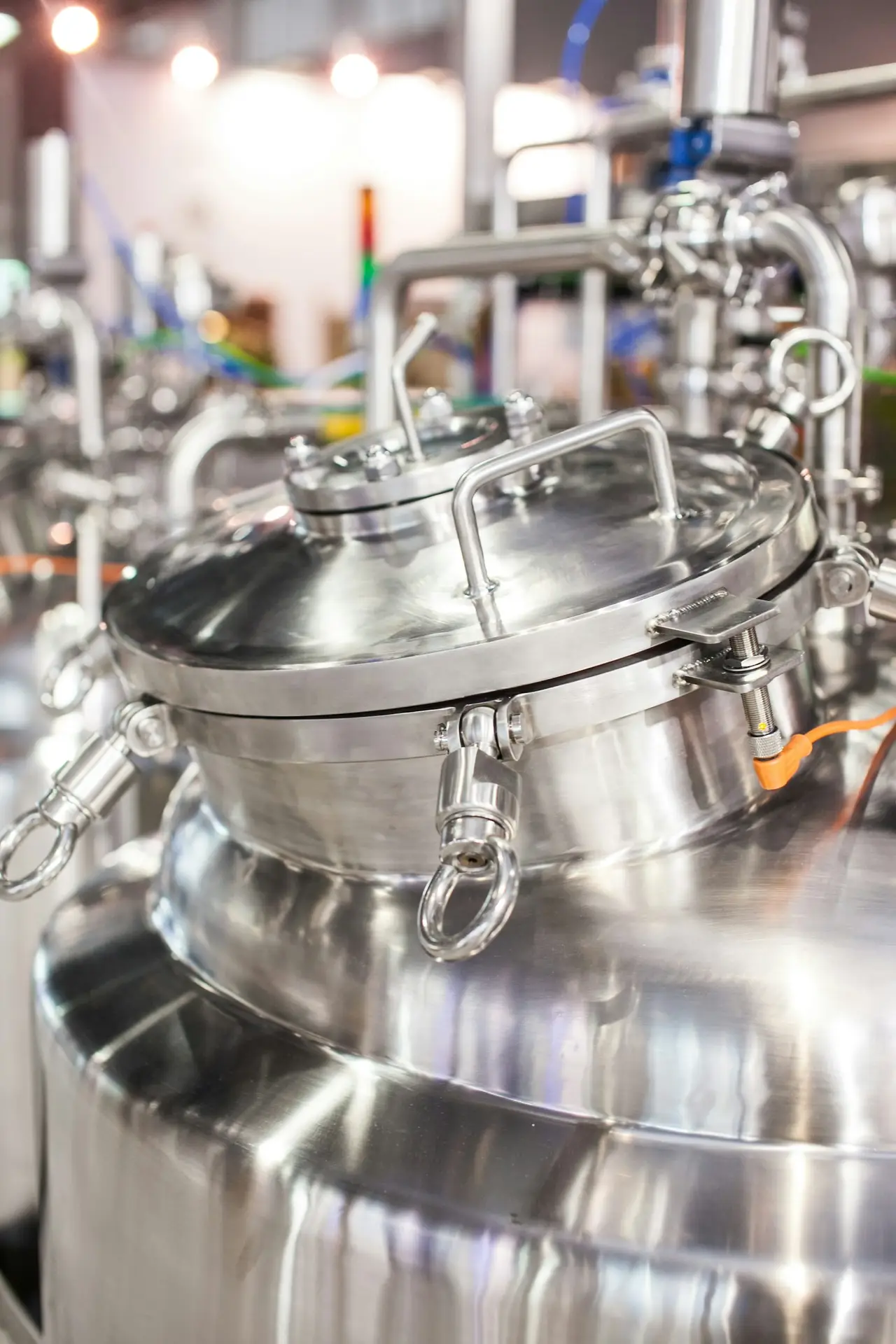 Sanitary process equipment depends on smooth, crevice-free welds that clean-in-place systems can reach.
Argon Back-Purging to Prevent Sugaring
The inside of the tube must be shielded just like the outside. We seal the tube with purge plugs or dams, flood it with argon, and measure oxygen before welding. If oxygen is too high, the inside oxidizes into a gray, crusty layer called sugaring.
Sugared welds lose corrosion resistance and are hard to clean. Learn how we stop it in preventing sugaring in stainless tube welding.
- Purge plugs, dams, or water-soluble paper for long runs
- Purge gas flow set to the tube size, then lowered during welding to avoid blowing out the root
- Weld color checked against the AWS D18.2 discoloration chart
Orbital and Manual TIG Tube Welding
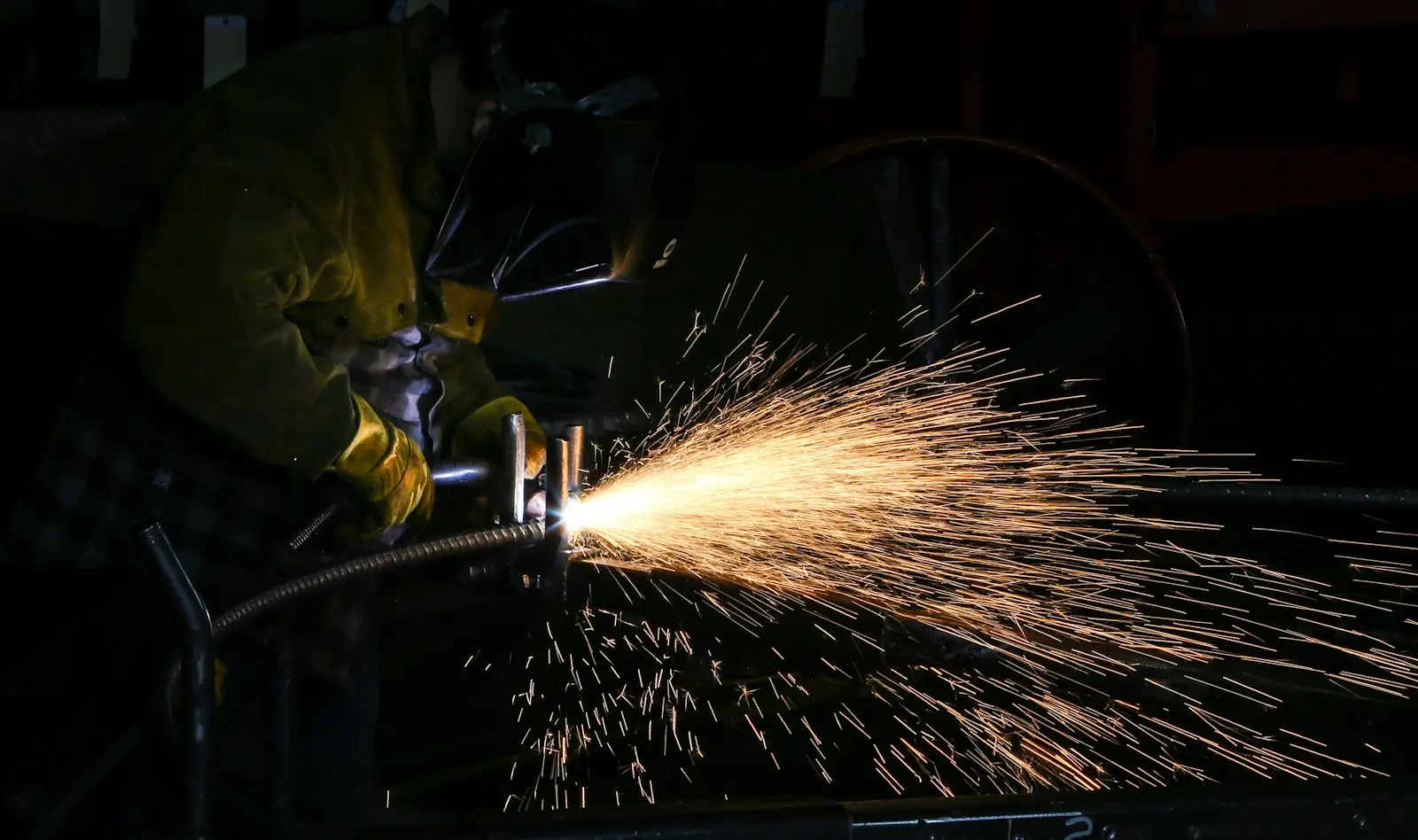
Orbital welding clamps a weld head around the tube and runs a set program. Every weld on a job matches. Manual TIG is better for tight spaces, odd fittings, and short runs.
Orbital Welding
Repeatable arc length, travel speed, and current on every joint. Weld schedules and logs can be saved for traceability.
Manual TIG
Used for fittings that a weld head cannot clamp, and for repairs. Same purge and inspection rules apply.
Coupons and Weld Logs
Many sanitary specs require test coupons at the start of each shift or after changes. We cut, inspect, and log them.
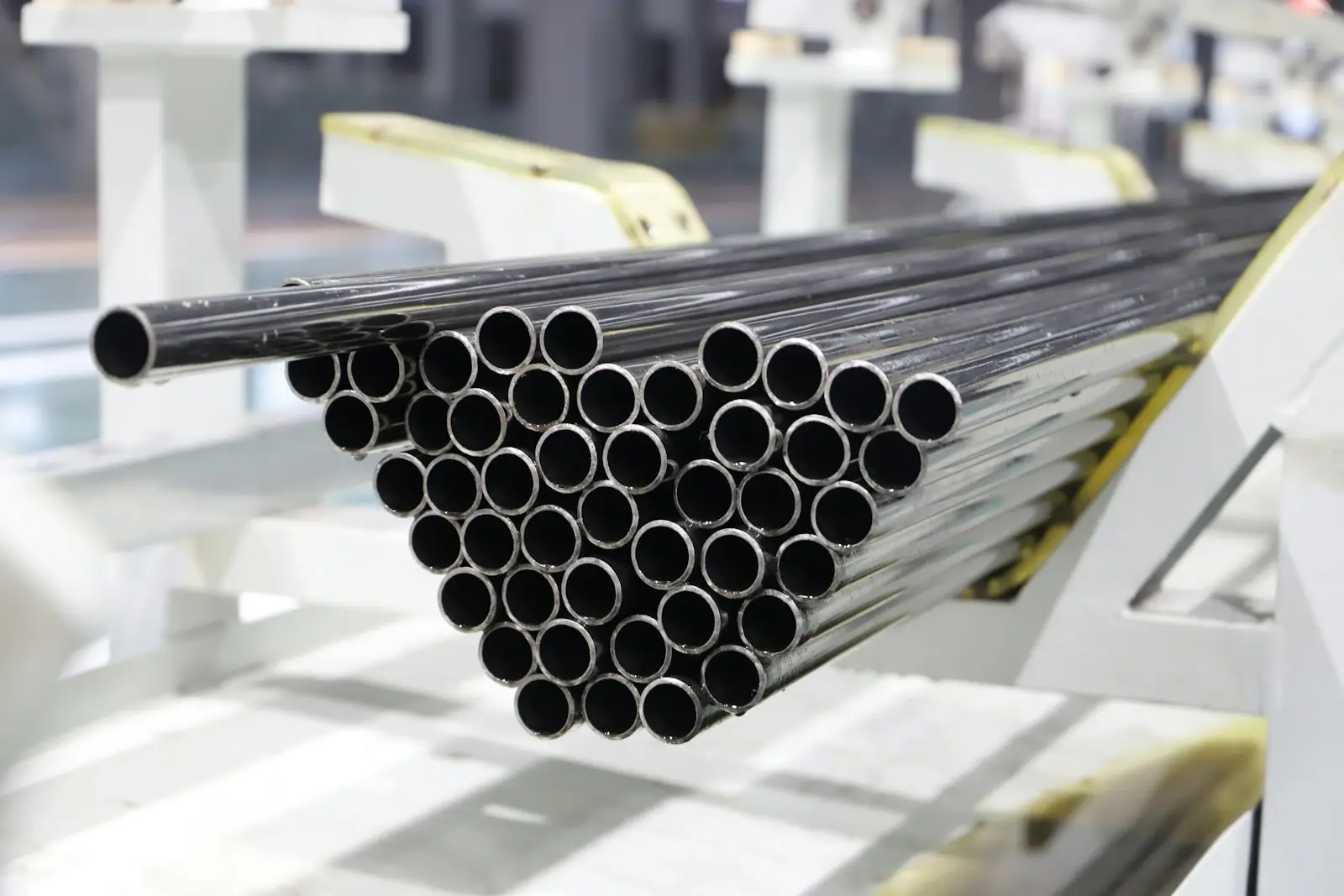 Sanitary tube is ordered by outside diameter and wall, usually in 304L or 316L.
Inspection, Finish, and Passivation
We check the inside of the weld, not just the outside. Finish and passivation follow your spec.
Borescope Inspection
A video borescope shows the inner bead for full penetration, color, and concavity.
Surface Finish
3-A guidance calls for product contact surfaces at least as smooth as 32 µin Ra. ASME BPE lists finish grades by Ra.
Passivation and Electropolish
Passivation per ASTM A967 or A380 restores the chromium oxide layer after welding.
Weld Defects That Fail a Sanitary Inspection
A sanitary weld can be strong and still fail inspection. Inspectors look at the inside of the tube, because that is where product and bacteria collect. These are the conditions most specs reject.
Incomplete Penetration
The weld does not reach the inside wall, leaving a crevice at the root. It is a reject in sanitary work because the gap cannot be cleaned.
Concavity and Excess Convexity
A root that sinks below the tube wall, or bulges into the bore, disturbs flow and holds residue. Specs set limits on both.
Misalignment
High-low mismatch between tube ends leaves a ledge inside the line. Facing tube ends square and tight fit-up prevent it.
Discoloration
Heavy oxide color on the inside points to a weak purge. AWS D18.2 shows discoloration levels, and your spec sets the level allowed.
Pits and Porosity
Small holes on the inner bead trap product. They usually trace back to contamination or poor gas coverage.
How to Specify Sanitary Tube Welds
Sanitary specs are detailed, and small gaps in a drawing turn into long email threads. Include these items and we can quote the job with fewer questions.
- Tube outside diameter, wall thickness, and alloy, such as 316L
- The standard you build to: 3-A, ASME BPE, AWS D18.1, or your plant spec
- Product contact surface finish as a maximum Ra value
- Inside weld acceptance: penetration, concavity, and the discoloration level allowed
- Orbital or manual welding requirement, and whether test coupons are needed
- Passivation or electropolish requirements after welding
- Records: weld logs, inspection reports, and borescope photos or video if required
What Drives the Cost of Sanitary Tube Work
Sanitary jobs cost more per weld than general fabrication because every joint needs a purge and an inside check. The biggest cost drivers are listed below.
- Number of welds, since each one needs facing, fit-up, purging, and inspection
- Tube size and wall, which set purge volume and weld time
- Inspection level, from visual only to borescope on every joint
- Documentation requirements such as weld logs and coupon records
- Passivation, electropolish, and cleaning after welding
Frequently Asked Questions
What makes a tube weld sanitary?
A sanitary weld is fully penetrated, smooth, and flush on the inside with no pits, cracks, or crevices. The inside must also be free of heavy oxide. That lets the line drain and clean fully during CIP.
What is sugaring and why does it fail inspection?
Sugaring is a rough, gray oxide on the back side of a stainless weld. It forms when air reaches the hot metal. It strips chromium from the surface, so the weld can rust and trap bacteria. Most sanitary specs reject it.
Should I choose 304L or 316L for my process line?
304L works for most dairy, beverage, and dry food lines. Pick 316L when the product or cleaning chemicals contain salt, chlorides, or acids. 316L costs more, so match it to the real service.
Do you use orbital welding?
Orbital welding gives the most consistent inner bead on production runs. Manual TIG is used where a weld head will not fit.
Can you passivate and document the welded tube?
Yes. We can provide passivation, borescope records, weld logs, and MTRs.
What is the difference between 3-A and ASME BPE?
3-A Sanitary Standards cover the hygienic design of dairy and food equipment. ASME BPE covers bioprocessing equipment for pharmaceutical and biotech plants, including materials, fabrication, inspection, and surface finish. Your industry and your customer decide which one applies.
Why is 316L the usual choice for pharmaceutical lines?
316L has low carbon, which limits sensitization at the weld, and molybdenum, which improves resistance to chlorides and cleaning chemicals. That combination holds up well to repeated clean-in-place cycles.
How do inspectors check the inside of a sanitary weld?
A video borescope is passed through the tube to view the inner bead. The inspector checks penetration, concavity, color, and pits against the spec. Some specs also require photos or video for the job file.