TIGTechs welds stainless steel, nickel alloys, titanium, and aluminum to print. We build to the code your part needs, then prove it with inspection records you can file.

AWS D17.1, ASME Section IX, AWS D18.1 and 3-A, or the spec on your drawing.
Each service below runs under the same quality system. That means one set of welding procedures, one set of welder records, and one inspection plan per job.
Pick the service that matches your part. If you are not sure, send the drawing and we will tell you which code applies.
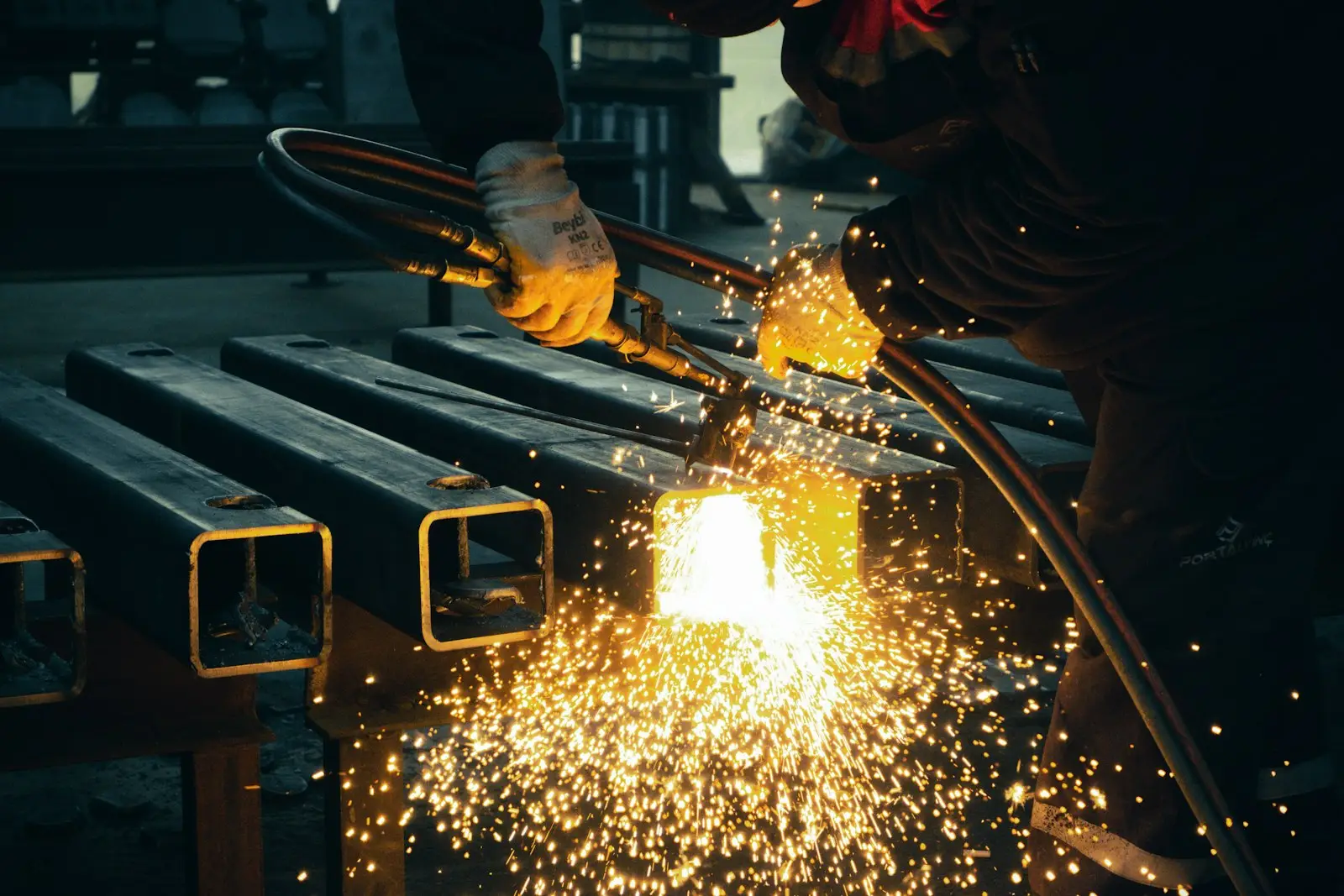
Close-tolerance TIG welds on 304L, 316L, and duplex stainless with low heat input and clean color.
View service →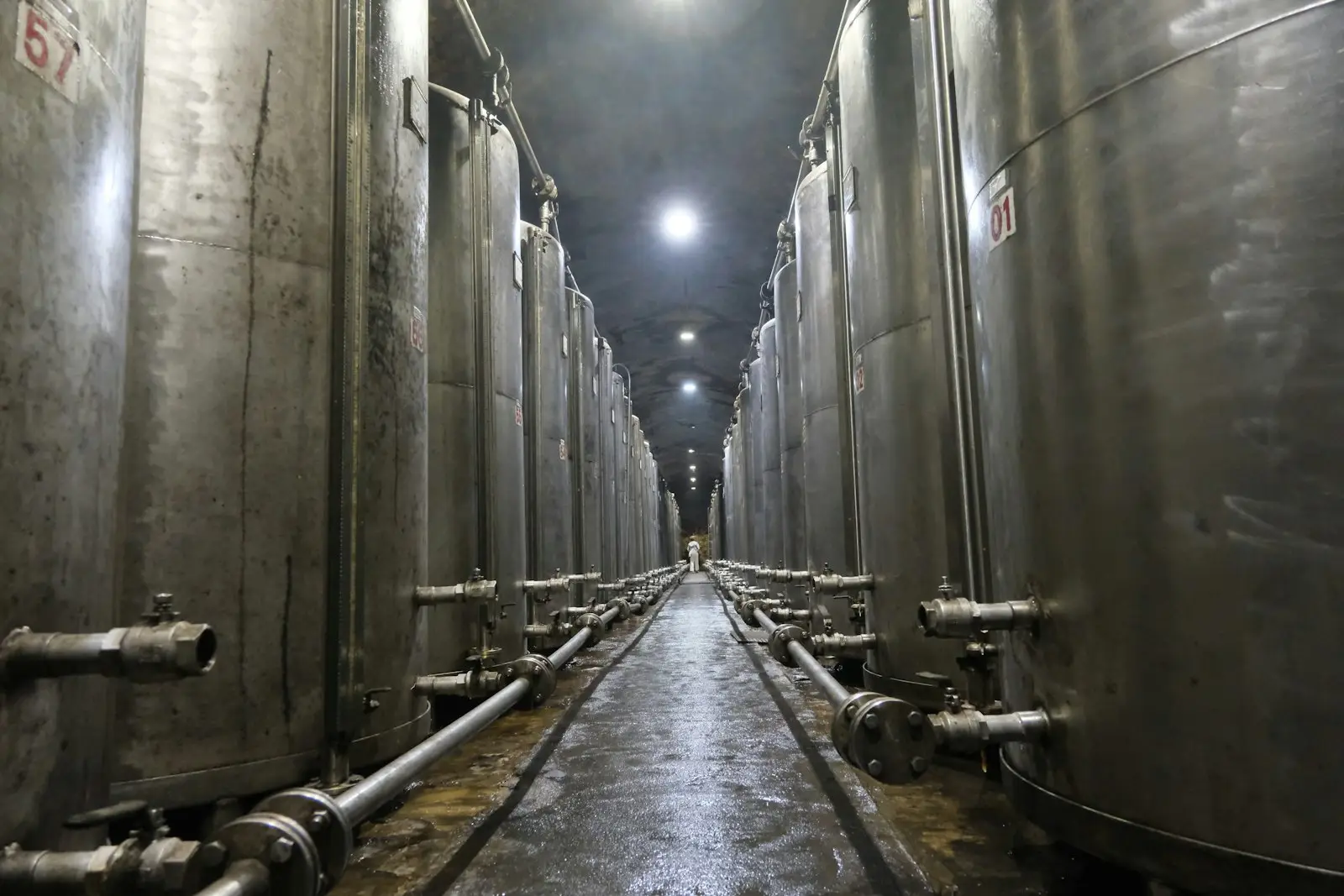
Crevice-free, fully purged tube welds for food, dairy, beverage, and pharma process lines.
View service →
AWS D17.1 welds on stainless, Inconel, and titanium for aviation and defense parts.
View service →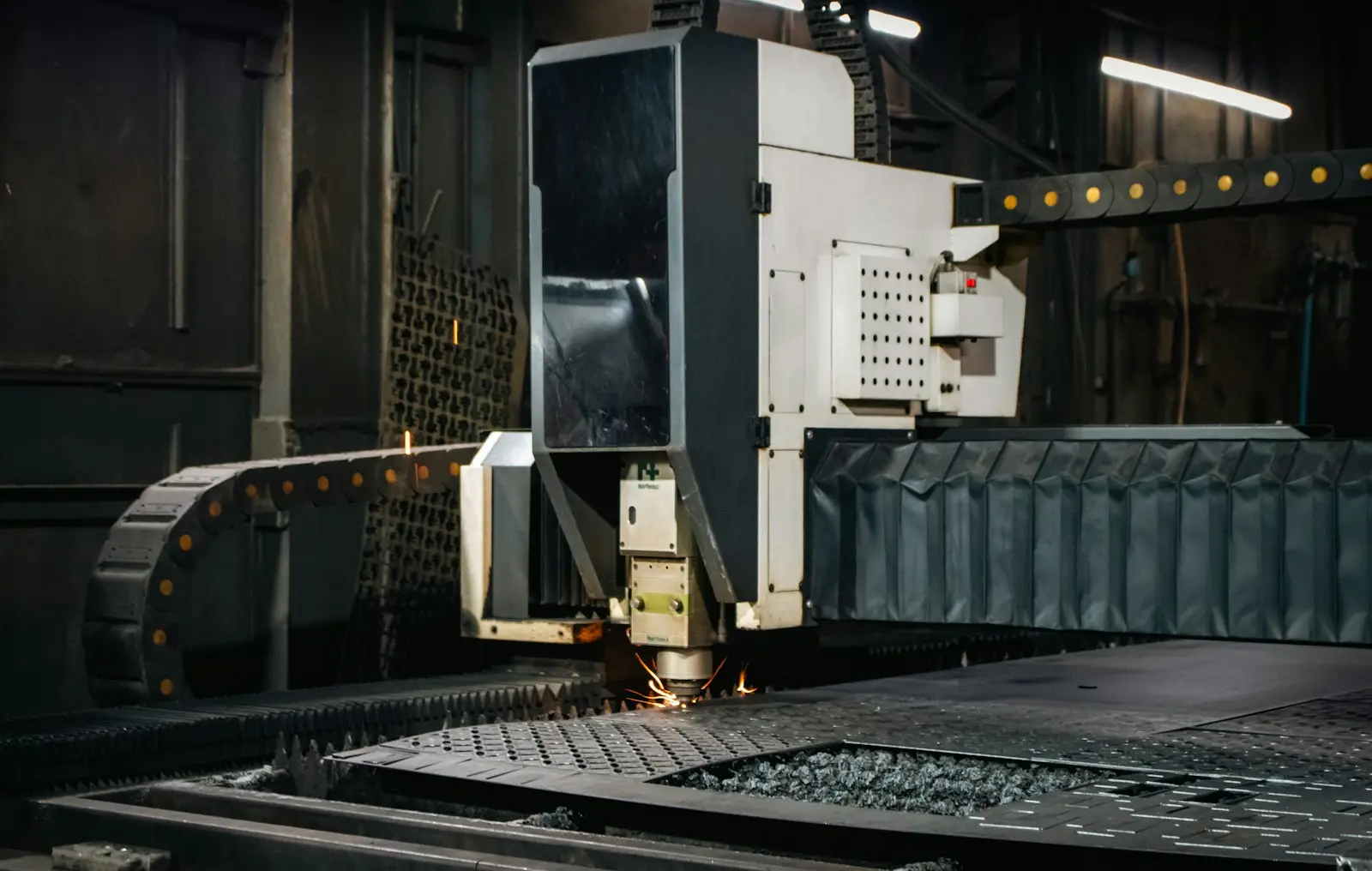
Cut, formed, welded, and finished stainless frames, enclosures, tanks, and skids built to print.
View service →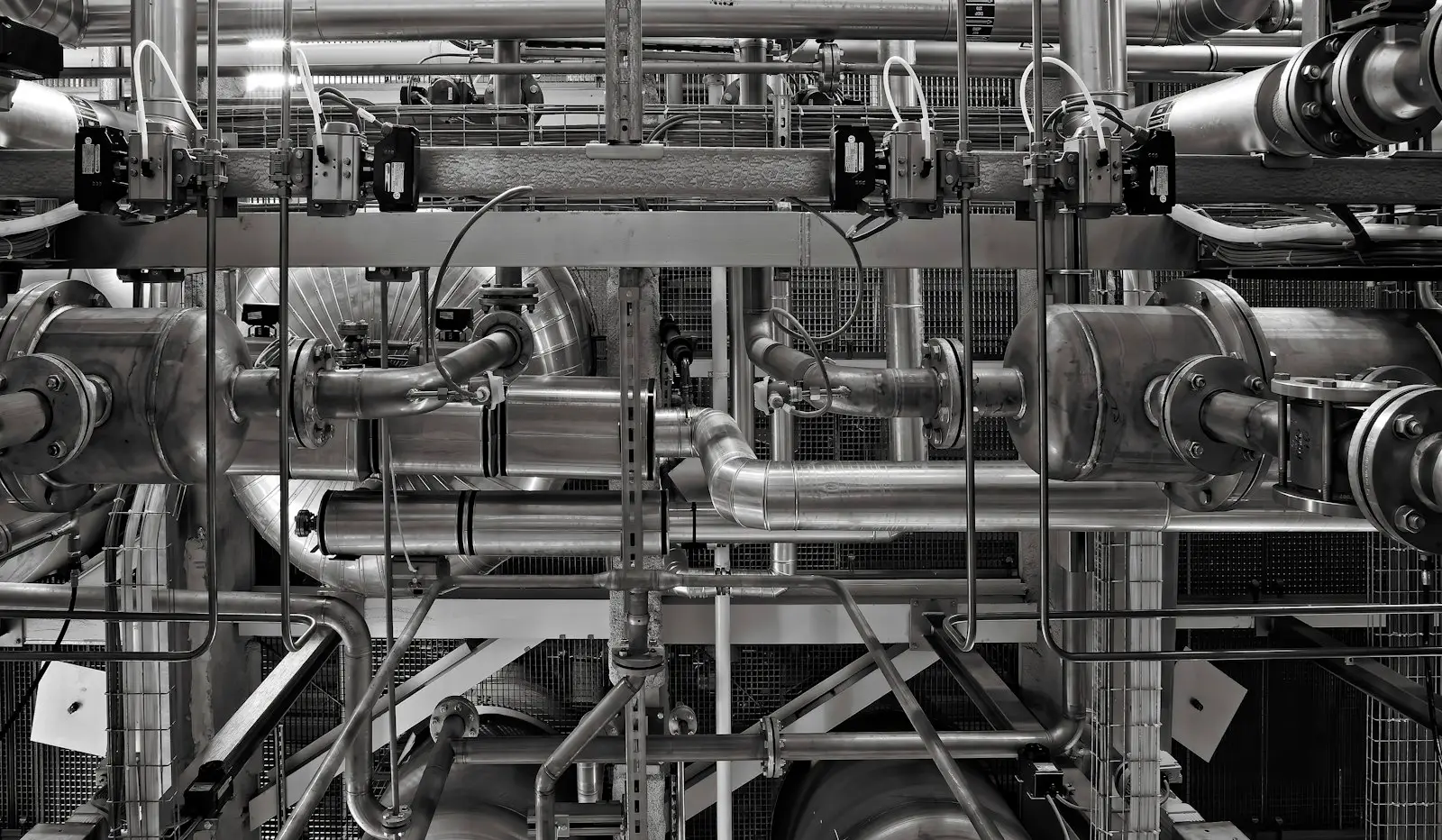
ASME Section IX qualified TIG root and fill passes for process piping and pressure vessels.
View service →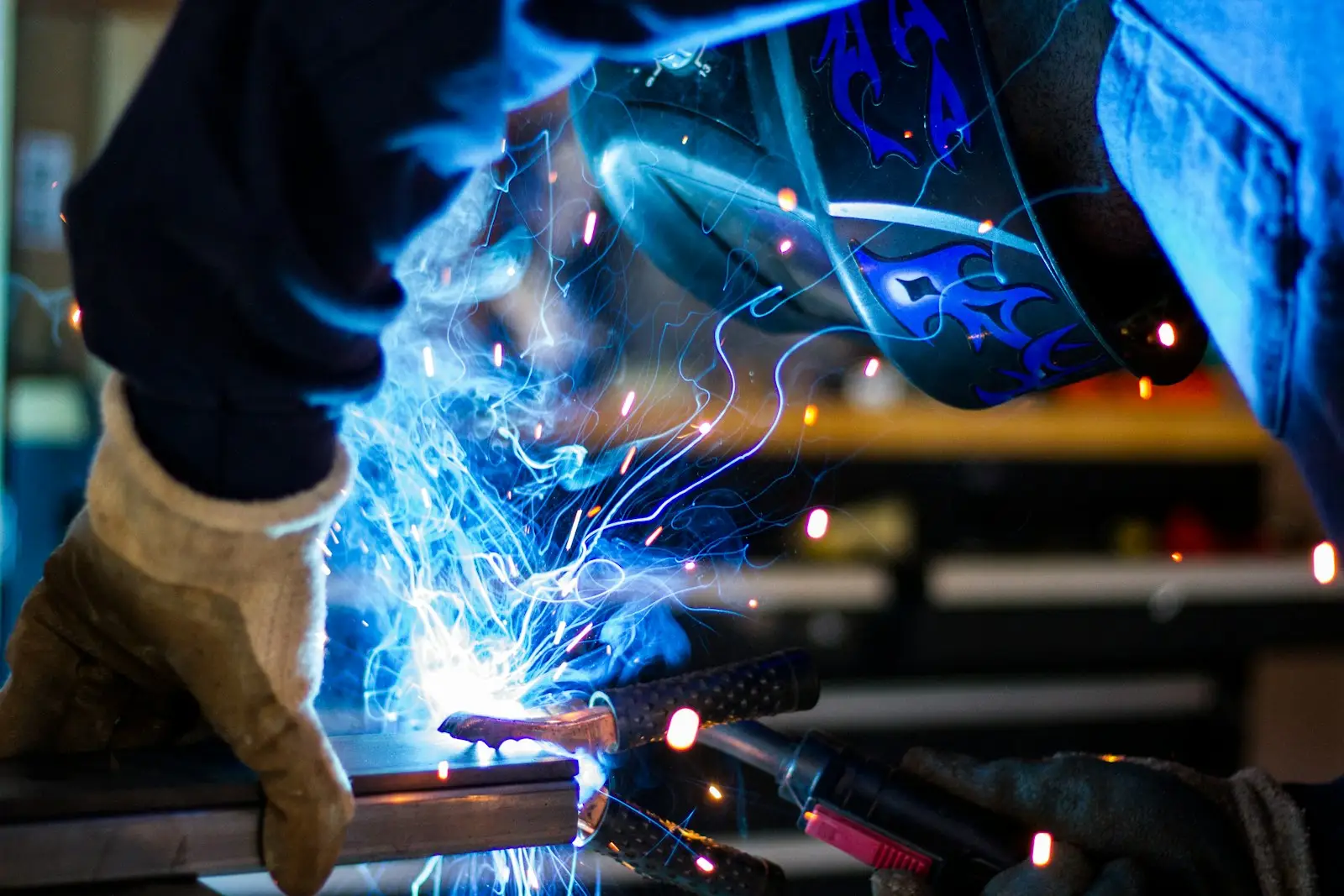
TIG welding is also called gas tungsten arc welding, or GTAW. The welder controls heat with a foot pedal or a pulse program. Filler rod is added by hand, separate from the arc. That control gives clean, low-spatter welds on thin metal and on alloys that crack or corrode when overheated.
The tradeoff is speed. TIG is slower than MIG or stick welding. You pay for it when the joint is visible, sealed, sanitary, or flight-critical.
Low heat input helps limit warpage and carbide precipitation in stainless
No flux, so no slag left in sanitary or UHP lines
Welds on stainless, nickel alloys, titanium, aluminum, and carbon steel
Full control of the root pass for code piping and pressure work
Your industry sets the code. We qualify procedures and welders to match it. Certifications held by TIGTechs are listed on our certifications and compliance page.
Fusion welding for aerospace parts, with Class A, B, and C weld acceptance levels. Read our AWS D17.1 procurement guide.
Covers how welding procedures and welders are qualified for boilers, vessels, and piping. Read ASME Section IX explained.
Sets the rules for hygienic tube welds and finish. Read FDA and 3-A sanitary standards.
Many parts follow a customer spec instead of a public code. We work to your drawing notes, GD&T, and inspection plan.
Every order follows the same path, so you know what to expect and what records you will get.
Drawing and spec review, with questions sent back before we quote
Material check against mill test reports (MTRs)
Welding procedure (WPS) selected or qualified for the joint
Fit-up, tack, and weld by a qualified welder
TIG uses a tungsten electrode and adds filler by hand, so the welder controls heat very closely. MIG feeds wire through the gun and runs faster. Choose TIG for thin metal, visible welds, sanitary lines, and aerospace parts. Choose MIG when speed matters more than finish.
We weld austenitic stainless (304L, 316L, 321), duplex 2205, nickel alloys such as Inconel 625 and 718, titanium, aluminum, and carbon steel. Send your material callout and we will confirm the filler and procedure.
Both. We can work to AWS D17.1, ASME Section IX, AWS D18.1, or your own spec and drawing notes. If your spec calls for a procedure we have not qualified yet, we tell you up front and include qualification in the quote.
Send a PDF drawing and a STEP or other 3D file if you have one. Add quantity, material, weld callouts, finish, and any code or inspection needs. Use our request a quote form to upload files.
Our headquarters is in Dallas, Texas. We serve customers in Texas, Chicago, Los Angeles, and other markets.
Upload your print and spec, and we will reply with questions, a procedure plan, and a price.
Or call the shop at (346) 561-0862