UHP Systems in a Semiconductor Fab
A fab runs on gases and chemicals delivered at extreme purity. The welded stainless systems that carry them fall into a few groups.
Specialty Gas Lines
Hook-up lines from gas cabinets and valve manifold boxes to process tools, often carrying toxic or reactive gases.
Bulk Gas Distribution
Large lines that carry nitrogen, argon, hydrogen, oxygen, and other bulk gases across the fab.
Gas Panels and Sticks
Welded assemblies built for tool makers, with valves, regulators, filters, and sensors in tight spaces.
Vacuum Parts and Tool Frames
Chamber parts, foreline components, and frames that need clean welds and tight tolerances.
Compliance Frameworks for UHP Weld Work
Fab owners and tool makers write their own specs, but most build on these. See the certifications and compliance page.
SEMI F78
Practice for gas tungsten arc welding of fluid systems in semiconductor plants. Covers weld schedules, purge, coupons, and qualification.
SEMI F81
Visual inspection rules for UHP welds, including bead width, alignment, color, and concavity.
ISO 14644-1 Cleanroom Classes
Sets cleanroom classes by particle count. ISO 5 is about the old Class 100.
Material and Surface Specs
UHP tube is usually 316L, often VIM-VAR melted, with an electropolished ID. Sulfur content is controlled so orbital welds penetrate the same on every heat.
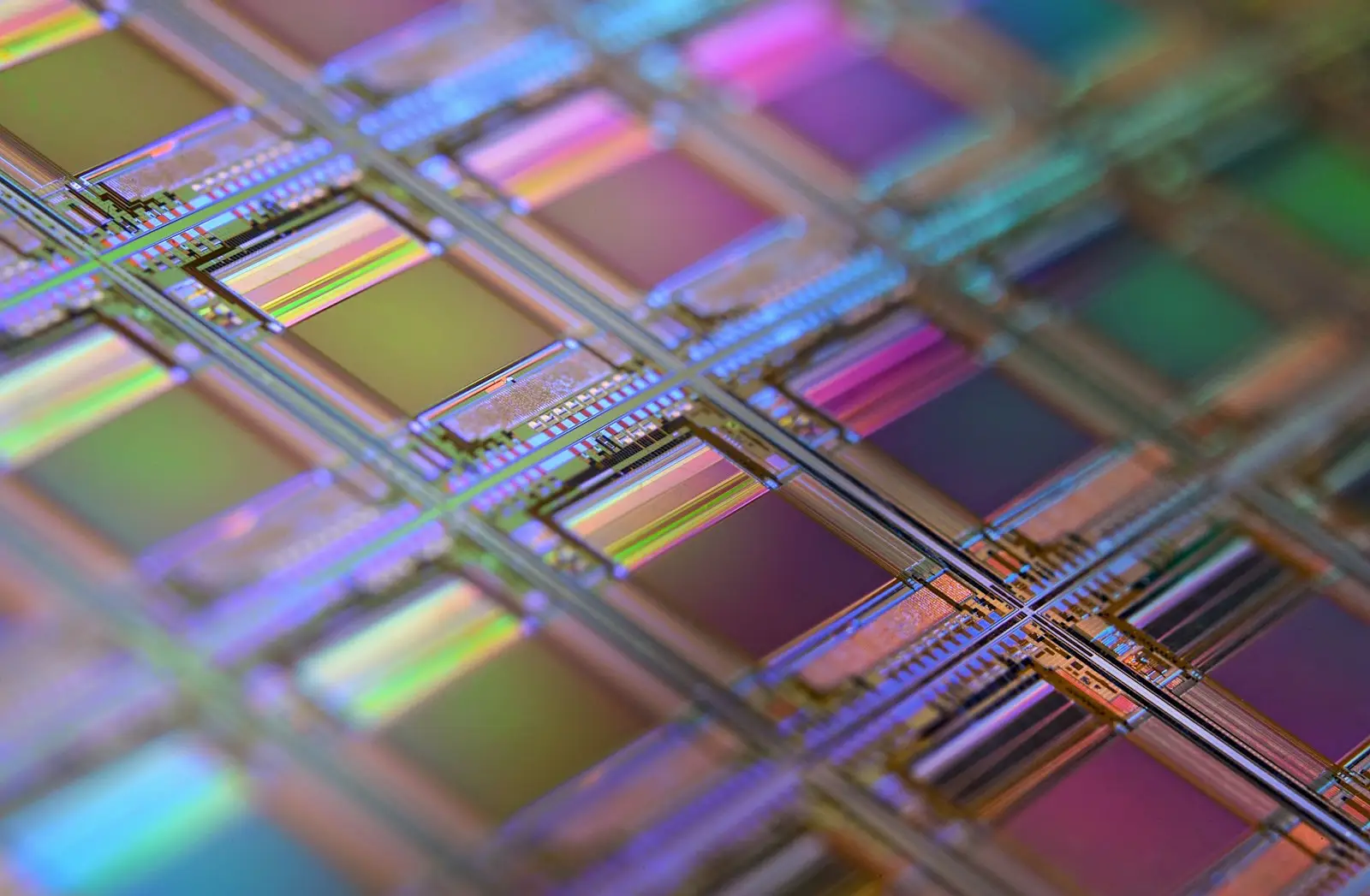 Every chip on a wafer depends on process gases delivered without particles, moisture, or oxygen.
Orbital TIG vs. Manual TIG for UHP Lines
Orbital welding is the default for UHP gas lines because every weld repeats the same program. Manual TIG still has a place for some fittings and repairs. Read the full comparison in Class 100 cleanroom TIG welding for semiconductor fabs.
Orbital TIG
Enclosed weld heads, fixed schedules, and printed weld logs. Autogenous welds keep filler metal out of the line.
Manual TIG
Used where a weld head will not fit. It relies more on welder skill and needs extra inspection on UHP systems.
Weld Coupons
Test coupons are made at the start of each shift and after any change, then cut and inspected for penetration and color.
Purge, Cleanliness, and Testing
Our purged tube welding and precision stainless TIG methods are tuned for UHP work. Any oxide on the inner bead can shed particles or hold moisture. Learn why in preventing sugaring in stainless tube welds.
- Point-of-use gas filtration on weld and purge gas
- Cut, face, and clean tube ends in a clean area; cap and bag after welding
- Helium leak testing
- Borescope or cut-coupon inspection against SEMI F81
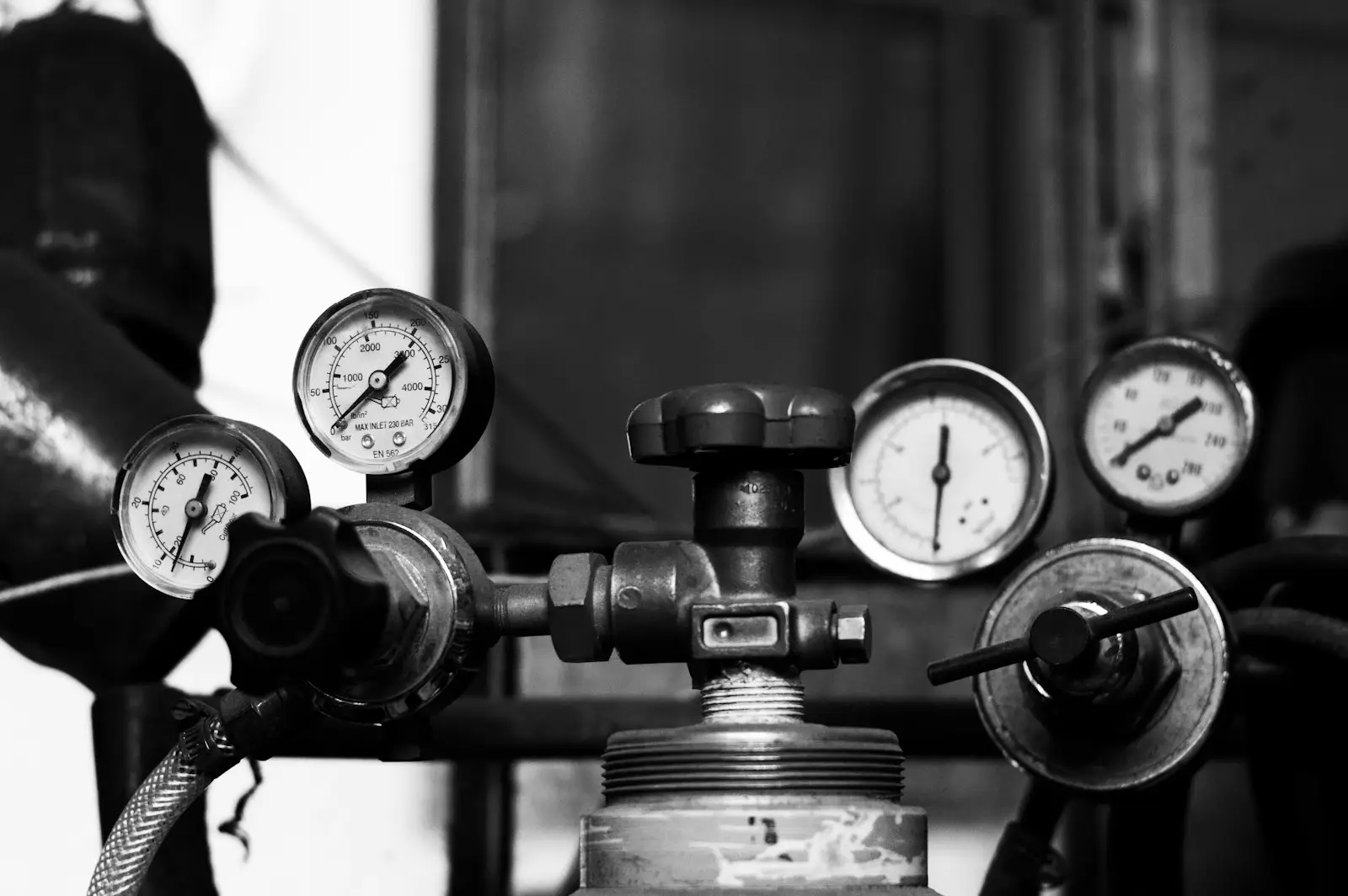 Gas cylinders and regulators feed specialty gas lines that must stay leak-tight and clean.
Common UHP Weld Defects
UHP welds are judged on the inside of the tube as much as the outside. These are the defects inspectors look for on coupons and borescope checks.
Discoloration
Any color inside the weld means oxygen or moisture reached the hot metal. Most UHP specs allow little or none.
Incomplete Penetration
The weld does not reach the inside of the tube, leaving a crevice that can hold particles and moisture.
Bead Width Variation
An inside bead that wanders or changes width points to fit-up or power problems.
Misalignment
Tube ends that do not line up leave a step inside the line where particles can collect.
How to Specify UHP Tube Welding
Spell out these items so every bidder prices the same work. Read cleanroom TIG welding for semiconductor UHP for more detail.
- Tube spec, such as electropolished 316L, with size, wall, and surface finish
- Weld standard and acceptance criteria, such as SEMI F78 and F81 or the fab's own spec
- Purge gas purity and oxygen and moisture limits
- Coupon frequency, such as at the start of each shift and after any setup change
- Testing needed, such as helium leak checks or particle, moisture, and oxygen tests
- Cleanroom class for assembly, bagging rules, and records needed
Choosing a UHP Welding Contractor
UHP work leaves no room for a learning curve. Look for these signs that a contractor runs a controlled process.
Qualified Orbital Procedures
Written procedures for each tube size and wall, with equipment that is maintained and calibrated.
Coupon and Log Discipline
Coupons cut and checked before production, and a weld log for every joint.
Clean Assembly Area
A controlled space for prep and assembly, with clean tools and capped tube ends.
Material Traceability
Tube and fittings traced by heat number from the mill cert to the weld log.
Serving Phoenix, the Bay Area, and Texas Fabs
New chip fabs in the Phoenix area, the established Bay Area semiconductor base, and growing Texas fab sites all need UHP gas and chemical lines. We support these projects from our Dallas headquarters. Phoenix and San Francisco location pages are planned.
We also build stainless frames, gas cabinet supports, and enclosures for cleanroom tools through our custom stainless fabrication service.
Frequently Asked Questions
Why are UHP gas lines orbital welded instead of hand welded?
Orbital welding runs the same program every time, so penetration and bead width match on every joint. That makes the line easier to qualify and inspect. Hand welding is used only where a weld head will not fit.
What is a Class 100 cleanroom?
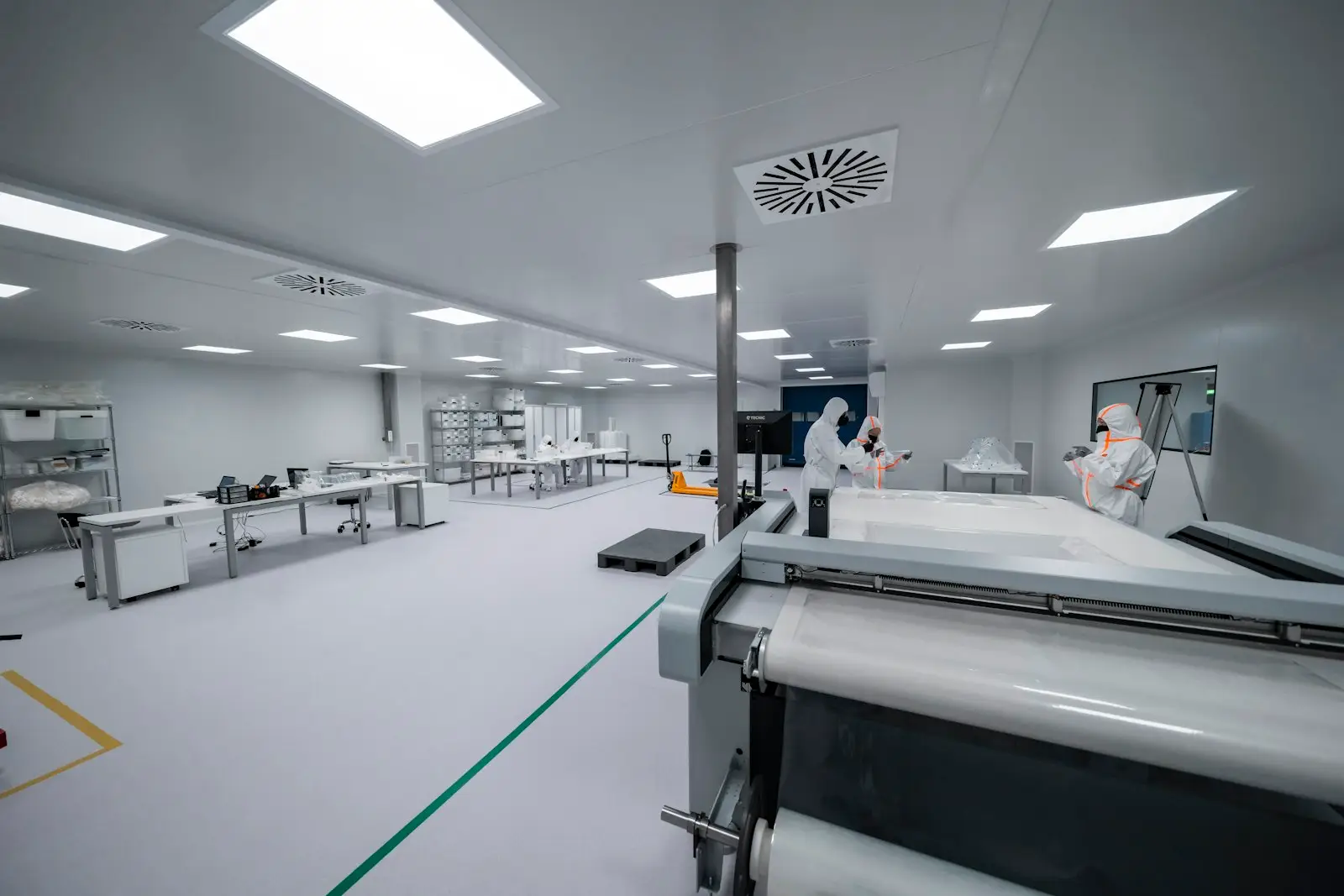
Class 100 is the old U.S. rating for a room with no more than 100 particles of 0.5 microns or larger per cubic foot of air. The current ISO 14644-1 equal is about ISO 5. UHP spools are often cut, welded, and bagged in a room like this.
Why does sulfur content matter in UHP tube?
Sulfur changes how the weld pool flows. Tube from two heats with very different sulfur can weld with uneven penetration, even on the same program. UHP specs control sulfur in a narrow band to prevent this.
What does helium leak testing prove?
It proves the welded line is sealed to a very low leak rate. A helium mass spectrometer detects tiny amounts of helium escaping from the line. Fab specs set the maximum leak rate allowed.
Do you weld on site at the fab?
Many projects use prefabricated spools built and bagged in a clean shop, then installed on site.
What is a weld coupon in orbital welding?
A coupon is a test weld made on the same tube with the same settings before production starts and at set points during the job. It is cut open and checked for penetration, bead shape, and inside discoloration.
What does VIM-VAR mean for stainless tube?
VIM-VAR stands for vacuum induction melting followed by vacuum arc remelting. Melting the steel twice under vacuum makes it cleaner, with fewer inclusions, which suits ultra-high purity gas lines.
What surface finish does UHP tubing use?
UHP gas lines usually use electropolished 316L stainless with a very smooth inside surface, often 10 µin Ra or smoother. The fab's spec sets the exact limit.