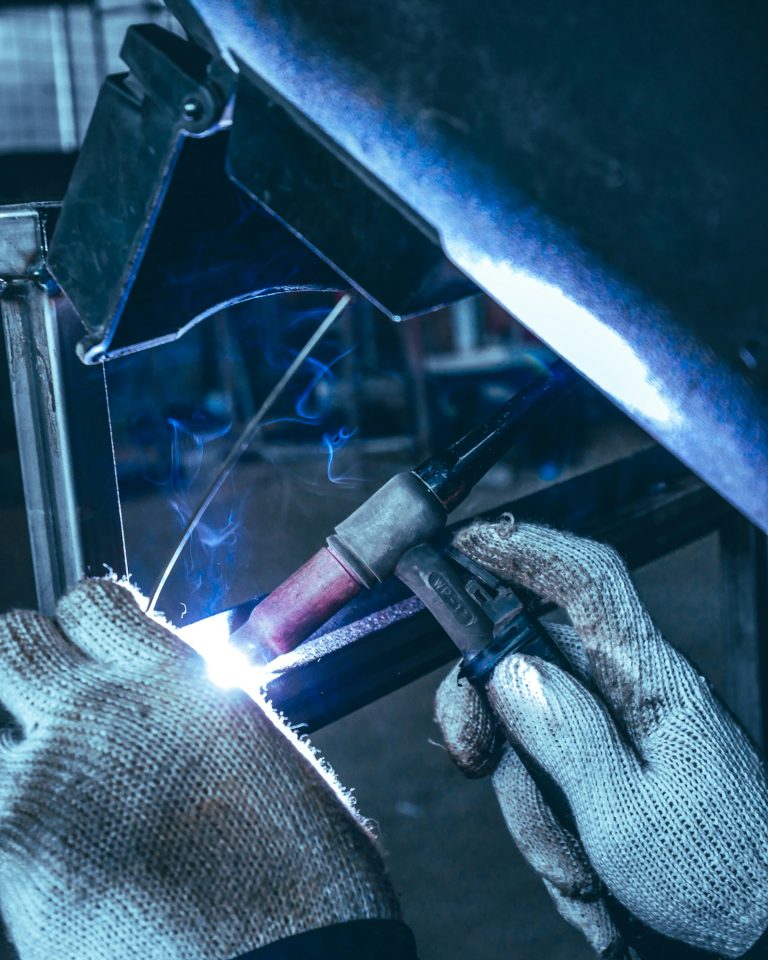
Engineering notes on stainless TIG welding: the codes buyers specify, filler and metallurgy choices, purge and heat control, and what really drives fabrication cost.
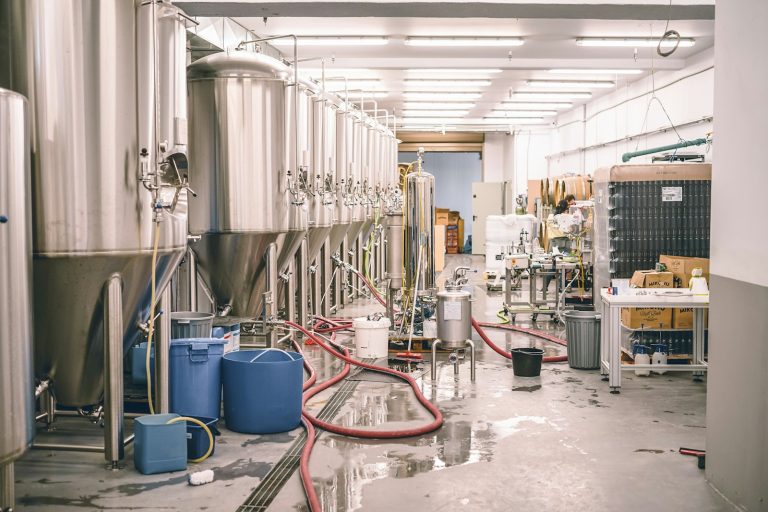
FDA rules say food-contact seams must be smoothly bonded. 3-A Sanitary Standards add the details, including a 32 µin Ra finish. Here is how welds create bacteria traps, how sanitary welds are made, and what to ask a supplier.
Sugaring is crusty oxidation on the inside of a stainless weld. It cuts corrosion resistance and fails sanitary inspection. Here is the physics, the oxygen targets, a step-by-step argon back-purge setup, and the equipment list.
ER316L adds 2 to 3% molybdenum for chloride resistance; ER308L does not. Compare chemistry, typical strength, and PREN side by side, and learn when the 316L premium is worth paying.
AWS D17.1 sorts aerospace welds into Class A, B, and C by what happens if they fail. Here is how the classes differ, what visual inspection must cover, how defect limits tighten, and what to put on your purchase order.
Skilled labor drives most of a TIG fabrication quote, followed by testing, consumables and material. Here is what sits behind each line, with an illustrative breakdown and ways to lower total cost.
Thin stainless warps because it holds heat and expands more than carbon steel. Here is how to set amperage, calculate heat input and use chill blocks, pulse TIG and stitch welding to keep parts flat.
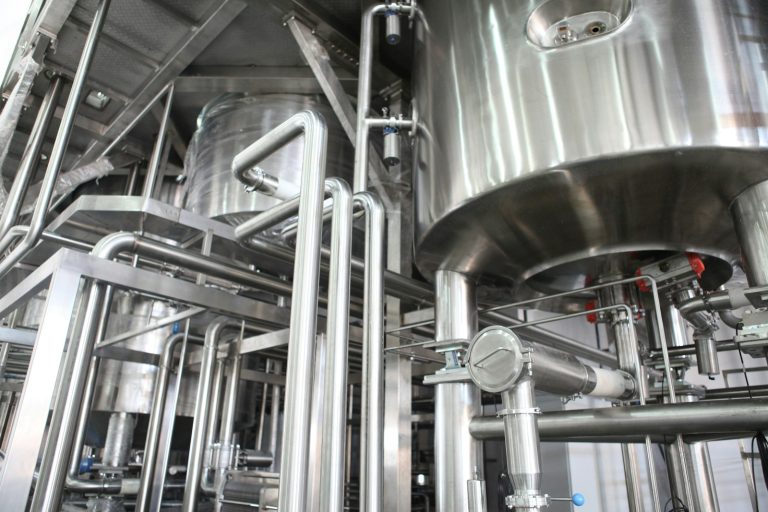
UHP gas lines need electropolished 316L tube, autogenous orbital welds and a clean purge. Here is what Class 100 means today and how manual and orbital TIG compare.
Sensitization strips chromium from grain boundaries and opens the door to intergranular corrosion. Here is how it forms in the HAZ, how to prevent it, and how inspectors test for it.
ASME Section IX qualifies the procedure and the welder, not the vessel. Here is how a TIG WPS moves from draft to PQR to WPQ, and which tests each production weld must pass.
Send the drawing and spec. We reply with price, lead time and any questions.